
- PT
- EN
- FR

-
Properties
-
VIDEOS & TOURS
-
Property Value
-
Services
-
Team
-
Contacts
-
Divider
International Guide: Buying a House in Portugal in 2024
International Guide: Buying a House in Portugal in 2024
ATTENTION: Don't miss the forecasts for the Real Estate Market in Portugal in 2024 at the end of this article.
If your dream is to buy a property in Portugal for permanent residence, vacations, or as an investment, this may be the opportune moment to make it a reality. Portugal has been attracting a significant expatriate community due to favorable year-round weather conditions, safety, cultural richness, gastronomy, and high quality of life. Here, we will provide you with the necessary answers to make a decision without taking risks. Let's begin.
QUESTIONS & ANSWERS
QUESTIONS & ANSWERS
What is the scenario of the Portuguese real estate market in 2023?
What is the scenario of the Portuguese real estate market in 2023?
The real estate market in Portugal continues on a steady growth trajectory. In the year 2023, the average cost per square meter of a housing unit reached €2,510, representing an increase of almost 7% compared to the previous year. In April 2019, the average price per square meter was €1,877. However, it is important to note that the values still show considerable variations depending on the region.
Let's look at real estate prices in 2023 in various parts of the country and their respective annual growth rates (%):
- Lisbon Metropolitan Area: recorded an increase of 2.5%, reaching an average of €3,869/m2.
- Northern Portugal: experienced a growth of 6.8%, with an average price of €2,096/m2.
- Central Portugal: observed a growth of 13.4%, reaching an average price of €1,379/m2.
- Alentejo: stood out with a significant increase of 34.4%, settling at an average price of €1,544/m2.
- Algarve: registered an increase of 15.5%, reaching an average price of €3,130/m2.
- Azores: experienced a growth of 22.6%, with an average price of €1,358/m2.
- Madeira: had an increase of 20.4%, reaching an average price of €2,483/m2.
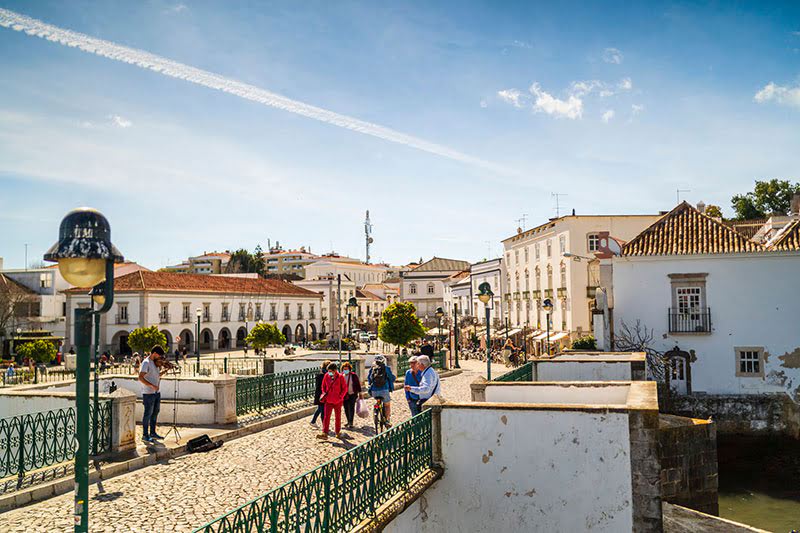
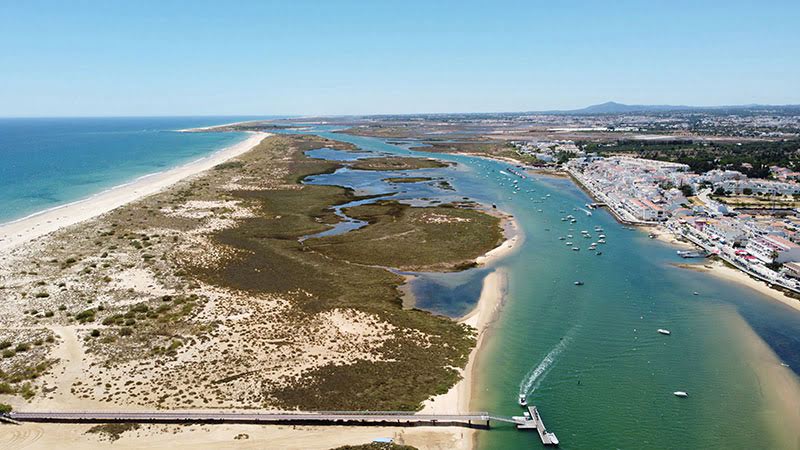
Can foreigners buy a house in Portugal?
Can foreigners buy a house in Portugal?
Any foreigner, whether from the European Union or outside the European Union, can acquire property in Portugal, and the process is quite accessible. The country does not impose restrictions on foreigners wishing to purchase a residence in Portuguese territory. There is no need to fill out additional forms or meet specific criteria to complete the purchase. The only requirement is obtaining a fiscal identification number (NIF), referred to as the "fiscal identification number" or "tax identification number" in Portugal. This number can be obtained by opening a bank account at a bank in Portugal or through a tax office in the country.
How to obtain a housing loan as a foreigner in Portuguese territory?
How to obtain a housing loan as a foreigner in Portuguese territory?
Although foreigner status generally does not influence the acquisition of a house in Portugal, it plays a crucial role in obtaining a bank loan. If you are not a resident, this will impact the amount you can borrow. Non-residents typically have access to loans up to 65-75% of the home value or sale price, while tax residents can secure loans up to 90% of the sale price.
Most banks also impose a limit, not allowing existing debts and new mortgage payments to exceed 35% of monthly income. Banks in Portugal typically grant mortgages with a term of 25 years, sometimes extending up to 30 years.
In addition to the interest rate, there are costs associated with the credit process:
a) Opening Process Fee: It can vary between 0.5% to 1% of the loan amount.
b) Property Appraisal: Generally ranges from €150 to €500, depending on the type of property and location.
c) Life Insurance and Multirisk Insurance: Costs can vary, but a reasonable estimate would be between €20 to €50 per month, depending on coverage and insured amount.
d) Installment Processing Fee: It can vary, but is usually a monthly percentage between 0.1% to 0.5% of the installment value.
e) Early Repayment Commission: Can vary between 0.5% to 2% of the amount repaid in advance.
f) Interest Rate: The interest rate can vary significantly depending on the type of rate (fixed or variable), but, for example, it can be around 1% to 3% for housing loans.
g) Spreads and Profit Margins: The spread can vary depending on negotiation and market conditions. It can be, for example, 1% to 2%.
Additionally, you will need to gather the following documents to apply for a mortgage in Portugal:
- Identification Document / Passport
- Proof of current residence
- Proof of income
- Proof of current financial obligations
- Bank statements (last 60 days)
- Property details (Contract, property plan, or more)
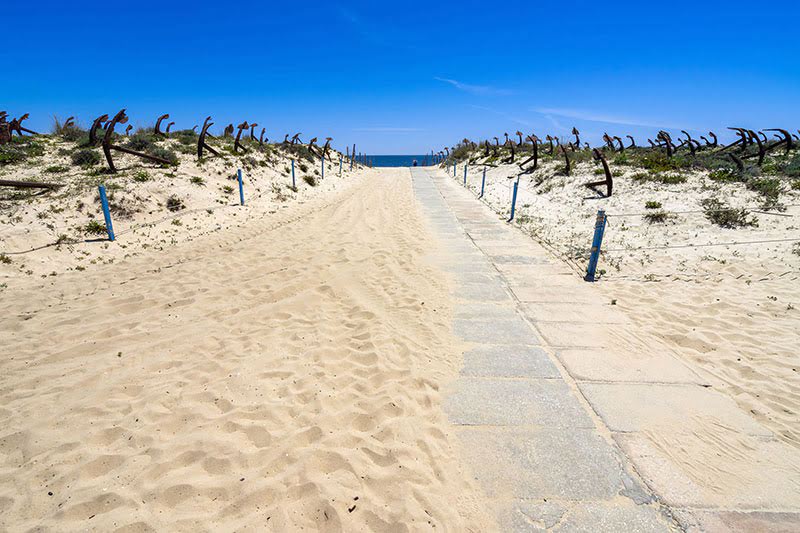
Why buy a house in Portugal?
Why buy a house in Portugal?
These are the main reasons why foreigners choose to buy a house in Portugal:
- Safety: In 2023, Portugal was ranked as the seventh safest country in the world out of 163 countries. Portugal's unique geographical location, situated at the westernmost end of Europe with only Spain as its neighboring country, has spared the nation from the social tensions experienced in other continental countries, contributing to its stability and tranquility.
- Solid investment: Portugal offers excellent potential for the rental market.
- Quality and low cost of living: Compared to other European countries, Portugal stands out for its quality of life and affordable cost of living.
- Moderately warm climate: Enjoy pleasant weather throughout the year.
- 1/3 of the population speaks English.
- Excellent gastronomy.
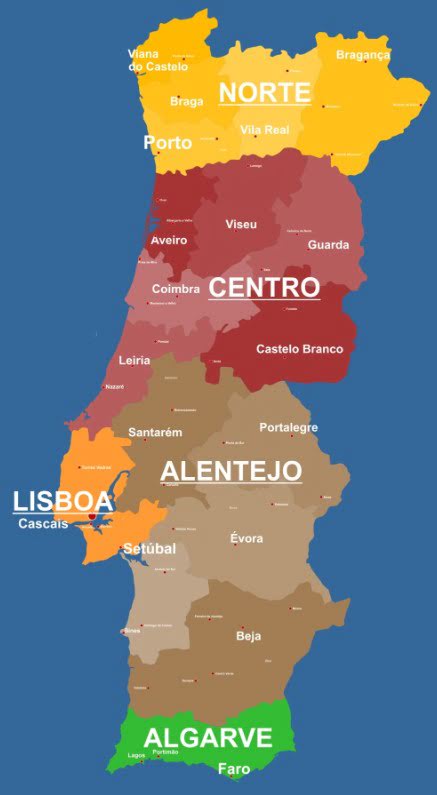
Where to buy a property in Portugal?
Where to buy a property in Portugal?
Portugal, with a length of 560 km and a width of 220 km, covers approximately 92,090 square kilometers, showcasing a geographical diversity ranging from stunning beaches to imposing mountains. With a population of around 10.3 million inhabitants, the country offers a remarkable quality of life. The combination of a mild climate, rich cultural heritage, and hospitality makes Portugal an appealing destination.
Moreover, the country is known for the safety it provides to residents and visitors. Lower crime rates compared to many European nations contribute to a sense of well-being.
These are the most sought-after areas to buy properties in Portugal:
Cascais
Cascais
Cascais is one of the most exclusive areas in Portugal to buy a house. With a coastline of 30 kilometers, this municipality on the Portuguese Riviera is lively throughout the year, offering high-quality restaurants and shops. Cascais, the former summer destination of the Portuguese Royal Family, is a historical gem with lush nature, well-maintained parks, and high-quality public schools. It boasts well-funded infrastructure, highlighted by excellent public transportation connecting it to Lisbon in just 30 minutes.
Algarve
Algarve
The Algarve is the prime holiday destination in Portugal with the best beaches in Europe, known for its mild climate and warmer sea waters. Golf courses, sailing and yachting, horseback riding, motor racing, and windsurfing are other major attractions of this region. With over 300 days of sunshine, the Algarve in southern Portugal is particularly popular among retirees from the USA and the UK. The region offers a variety of public and private schools, including international institutions, and is recognized for widespread English usage. It is one of the safest regions in Portugal.
Lisboa
Lisboa
The real estate market in Lisbon has attracted investors from around the world, experiencing exponential growth. Although not a cheap option, there are more affordable homes outside the city center. Lisbon stands out for excellent infrastructure, efficient transportation, affordable prices, and attractions. It is considered one of the safest cities in Europe, with some of the best public schools in the country.
Porto
Porto
The city of Porto, 280 km north of Lisbon, is a solid investment and one of the most beautiful places to live. With 220 days of sun per year, it offers a lower cost of living compared to Lisbon. The city attracts expatriates due to its low crime rate, excellent infrastructure, efficient transportation, and well-maintained parks.
Alentejo
Alentejo
While prices in Lisbon, Porto, and Algarve continue to rise, the Alentejo remains an excellent alternative. It provides all the amenities found in the Algarve but with the advantage of not being saturated by tourism. With the beautiful Algarve coastline and drier areas that offer a tranquil countryside life, the Alentejo is an attractive option.
Are you abroad?
Distance is not a problem!
Are you abroad?
Distance is not a problem!
With our 3D VIDEOS and VIRTUAL TOURS, you can remotely visit our properties so that when you arrive in Portugal, you already have a concrete idea of the property to choose, without wasting time. Check out these examples:
How much in taxes do you pay when buying a property in Portugal?
How much in taxes do you pay when buying a property in Portugal?
In addition to administrative costs and legal fees, property owners in Portugal need to pay certain property taxes to the government. There are three main types of property taxes that owners will have to face:
1. Municipal Property Transfer Tax (IMT):
IMT is a one-time payment made when purchasing a property in Portugal. The IMT rate will depend on the type and value of the property, as well as whether it is a primary or secondary residence. This payment must be made before the purchase. The IMT calculation is done through the formula: deed value or net asset tax (whichever is higher) x rate - tax reduction. It is not necessary to pay IMT if you buy a house on the mainland of Portugal and the price does not exceed €92,407. IMT rates typically range from 2% to 8%, depending on the situation. However, properties acquired by companies located in "blacklisted jurisdictions" pay a 10% rate. You can find an IMT simulator here: https://www.doutorfinancas.pt/simulador-imt/
2. Stamp Duty (IS):
Stamp Duty must be paid for contracts, loans, documents, among others. The rate varies depending on the property and the transaction but usually ranges between 0.4% and 0.8%.
3. Municipal Property Tax (IMI):
IMI varies in each municipality and is intended to support public infrastructure. Rates typically range from 0.3% to 0.45%. To calculate IMI, the taxable value of the property is multiplied by the IMI rate. This tax is paid annually. For example, if your property is valued at €500,000 and is located in the municipality of Albufeira with a rate of 0.3%, the annual IMI will be €1,500.
Step-by-step guide to buying a property in Portugal:
Step-by-step guide to buying a property in Portugal:
To buy a property in Portugal, it can take between 1 to 3 months from the moment of choice to the deed and property registration in your name. However, the process can take up to 6 months or more if the documents are not up to date, which often happens with owners who want to sell their properties without the help of a real estate agency, thus delaying the process by many months.
1. Choose 3 to 4 Properties:
Research desired properties remotely. Nowadays, many real estate agencies showcase their properties with Virtual Tours or Videos, providing an excellent idea of the chosen property without being in Portugal. Begin filtering and choosing 3 to 4 properties with the most potential. In Portugal, well-known portals include Idealista, Supercasa, and Imovirtual.
2. Obtain a NIF (Tax Identification Number):
To buy or rent a house in Portugal, it is mandatory to obtain a NIF, which can be done online or in person. In this situation, it is recommended to hire a lawyer or solicitor who will assist you in the remaining legal process of property purchase.
3. Found the Ideal House: Make the Promissory Contract:
If you found the ideal house and made an accepted offer, it's time to make the promissory contract, guaranteeing the seller's obligation to sell you the property and holding you responsible for the purchase. The amounts paid vary between 10% to 30%, depending on the seller's conditions. If the seller backs out after signing this contract, they must return double the amount you paid. If you back out, you lose the amount you paid. Once again, it is advisable to hire a lawyer or solicitor from our network of partners.
4. Schedule the Deed and Pay Taxes:
After signing the promissory contract, agree with the seller on a date for the final deed, based on the availability of notaries and the time the seller needs to remove furniture or personal belongings from the property to be sold. At the time of the deed, you must prove payment of IMT and Stamp Duty, so these payments should be made the day before.
5. Public Deed of Acquisition:
The deed is done at a notary, and in addition to the identification of buyers and sellers, the following documents are required: a) Use License: Document issued by the Municipality certifying that the property is habitable. b) Title Deed: Property registration at the Land Registry. c) Property Tax Record: Property registration at the Tax Office. d) Housing Technical Datasheet: Components of the property and those responsible for its construction. e) Energy Certificate: Document proving the property's energy efficiency. The basic costs of notary services are around €600.
6. Change Service Contracts (Water, Electricity, Gas, Internet) to the New Owner:
With a copy of the acquisition deed, you can proceed to change all these contracts.
What is the forecast for housing prices in Portugal for 2024?
What is the forecast for housing prices in Portugal for 2024?
What is the forecast for housing prices in Portugal for 2024?
What is the forecast for housing prices in Portugal for 2024?
According to the latest report from the Property Market-Index in October 2023, property prices in Portugal have increased, on average, by 6.5% over the past 12 months, while real estate values in prime locations such as the Algarve have surged by up to 15%.
Lisbon and the surrounding areas of Cascais, Comporta, Estoril, Sintra, along with the Silver Coast and selected parts of northern Portugal, such as districts around Porto and Braga, have also experienced a significant increase in value.
With high demand and limited new developments due to rising raw material costs and delays in obtaining new construction permits, it is expected that real estate prices in many of these areas will rise by approximately 8.7% in 2024.
According to the latest report from the Property Market-Index in October 2023, property prices in Portugal have increased, on average, by 6.5% over the past 12 months, while real estate values in prime locations such as the Algarve have surged by up to 15%.
Lisbon and the surrounding areas of Cascais, Comporta, Estoril, Sintra, along with the Silver Coast and selected parts of northern Portugal, such as districts around Porto and Braga, have also experienced a significant increase in value.
With high demand and limited new developments due to rising raw material costs and delays in obtaining new construction permits, it is expected that real estate prices in many of these areas will rise by approximately 8.7% in 2024.
(+351) 281 401 696
(+351) 281 401 696
RUA DR AUGUSTO CARLOS PALMA, 69
8800-345 TAVIRA
RUA DR AUGUSTO
CARLOS PALMA, 69
8800-345 TAVIRA
RUA DR AUGUSTO CARLOS PALMA, 69
8800-345 TAVIRA
RUA DR AUGUSTO CARLOS PALMA, 69
8800-345 TAVIRA
RUA DR AUGUSTO
CARLOS PALMA, 69
8800-345 TAVIRA
RUA DR AUGUSTO CARLOS PALMA, 69
8800-345 TAVIRA




SITE MAP
GUIDES
CONTACTS
INFO@VILLASSEQUA.PT
INFO@VILLASSEQUA.PT
